
Create Space Within. Return to Your Inner Stillness.
Life keeps asking for your attention — work, people, expectations, responsibilities, memories and thoughts about what comes next. Meditation offers a few moments where nothing has to be solved. You simply breathe, notice, allow and return to yourself.
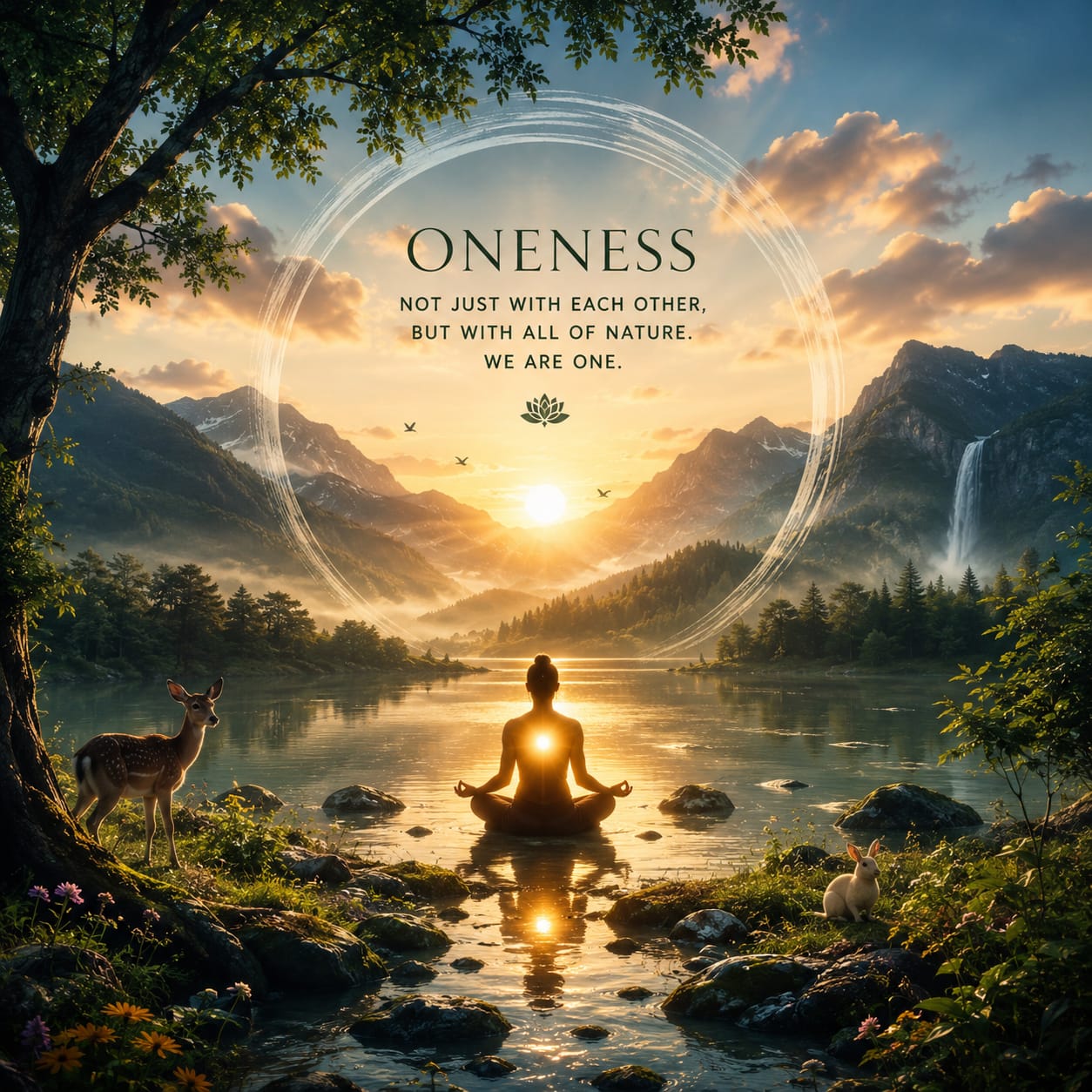
Meditation is not about stopping your thoughts. It is about no longer needing to follow every one of them.
Your mind naturally remembers, plans, predicts, compares, analyses and reacts. Meditation does not ask you to fight that movement. It gives you an opportunity to notice it — without immediately becoming involved in everything that appears.
Nothing needs to be forced.
You sit. You breathe. You notice.
Your mind may wander within seconds. That does not mean you are doing meditation incorrectly. The moment you recognise that your mind wandered is already a moment of awareness.
Then you return gently. Again and again. Over time, the practice can become less about controlling what happens within you and more about learning how to meet it.
Arrive
Leave the movement of the day for a moment and recognise where you are now.
Notice
Become aware of breath, body, emotion and the movement of thought.
Allow
Let the present experience be here without immediately judging or fixing it.
Return
When attention moves away, gently bring yourself back to the present.
A different quality of relationship with your inner world.
Meditation does not need to produce a special experience every time. The practice itself can slowly deepen qualities that are useful beyond the meditation session.
Presence
Returning to the moment you are actually living rather than remaining constantly occupied with yesterday or tomorrow.
Awareness
Seeing thoughts, emotions and reactions more clearly before automatically responding from them.
Inner Space
Experiencing a little more room between what happens and how you immediately react to it.
Allowance
Learning that every uncomfortable thought or feeling does not immediately need to be resisted, judged or changed.
Meditation can begin with something very simple.
Different meditation practices use different anchors. Each one gives your attention a gentle place to return.
Breathing Awareness
Notice the natural rhythm of breathing and return to it whenever you realise your attention has moved somewhere else.
Body Awareness
Move your attention through the body and notice sensations, tension and ease without immediately needing to change them.
Open Awareness
Notice sounds, thoughts, emotions and sensations as they arise, remain for a while and naturally move on.
You do not need to arrive peaceful.
Come as you are. The practice begins with whatever is already present — activity, restlessness, calm, emotion or distraction.
Settle
Allow your body and attention to arrive where you are.
Breathe
Use simple breathing awareness as a gentle anchor.
Observe
Notice the experience within you without needing to chase it.
Integrate
Carry a little more awareness with you when the session ends.
The deeper practice begins when you open your eyes.
Meditation may create a peaceful moment, but its real value can appear later — in a conversation, a stressful day, an important decision or the moment you notice yourself reacting automatically.
Meditation is not only for people who already feel calm.
You can begin with a busy mind, an uncertain mind or a mind that has never experienced meditation before.
Students
Create moments of awareness within study pressure, decisions and changing expectations.
Professionals
Find intentional pauses inside busy schedules, responsibilities and continuous decision-making.
Kids & Adults
Create some inner room within the many responsibilities that everyday life carries.
Complete Beginners
Begin without previous experience or the expectation that you already know how to meditate.
You do not need to be “good at meditation” before you meditate.
If your mind wanders fifty times and you notice it fifty times, you have experienced fifty moments of awareness. The practice is not about performing meditation perfectly.
Meditation is not something you only understand. It is something you experience.
A meditation session is not about telling you to stop thinking or asking you to become peaceful immediately. You are guided to notice your own experience — your breath, body, thoughts, emotions and the space around them.
The practice gradually becomes personal. You begin to recognise what helps you return to yourself and how the same awareness can move with you into everyday life.
Meditation should support you, not become another thing you force yourself through.
Different people experience meditation differently. Some people experience calm and ease, while others may notice restlessness, emotion or uncomfortable thoughts.
You can begin with shorter practices and stop whenever you need to.
A restless meditation is still an opportunity to notice restlessness.
Meditation can complement well-being support but should not replace appropriate professional care.
** Though Meditation is simple process, it is advised to be started with the help of mentor.
Before you begin.
A few common questions people have when meditation is completely new to them.
I have never meditated before. Can I begin?
Yes. You do not need previous experience. Guided meditation can help you understand the practice gradually rather than expecting you to know what to do from the beginning.
Does meditation mean making my mind completely blank?
No. Thinking is natural. Meditation involves noticing when your attention has moved and learning to gently return rather than forcing thoughts to disappear.
What if my mind keeps wandering?
That is normal. Recognising that your mind wandered is itself part of the practice. Each time you notice, you have another opportunity to return.
Do I need to sit in a particular position?
No special pose is required. A reasonably comfortable position that allows you to remain present and alert is enough.
Is meditation religious?
Meditation appears within many spiritual traditions, but awareness and attention practices can also be approached in a secular way. You do not need to adopt a particular religious belief to practise.
What if meditation makes me uncomfortable?
You can pause or stop at any time. Some people may notice difficult thoughts, emotions or memories during meditation. If the experience becomes significantly distressing, appropriate professional support is recommended.
How can I know more about the meditation sessions?
Use the button below to speak directly with Eminence4You and understand the currently available meditation options.
You do not have to escape your life to experience peace within it.
Begin with one breath, one pause and one moment of awareness. Explore meditation with Eminence4You and begin developing a gentler relationship with your inner world.
Begin My Meditation Journey →